
Parkinson's Disease Care at Home: Why Movement, Timing, and Dignity Matter
By Eric J. Dalton ·
Parkinson’s disease care at home lives or dies on details most general caregiving training glosses over: exact medication timing, how symptoms fluctuate through the day, and how movement support has to adapt in real time. Get those details right, and someone can often live independently at home for years longer than families expect. Get them wrong, and small gaps compound quickly.
A Larger and Faster-Growing Population Than Most People Realize
An estimated 1.1 million Americans are living with Parkinson’s disease as of 2026, a number expected to reach 1.2 million by 2030, with roughly 90,000 new diagnoses in the U.S. every year, about one every six minutes. It’s the second-most common neurodegenerative disease after Alzheimer’s, and the annual U.S. healthcare cost burden is estimated near $82.2 billion. Despite that scale, Parkinson’s-specific competency is often treated as a niche specialty rather than a core caregiving skill, which is exactly backward, given how common it actually is.
Why Medication Timing Isn’t a Minor Detail
Parkinson’s medications generally work within a fairly tight therapeutic window, and being even thirty to sixty minutes late with a dose can visibly affect someone’s mobility and function for hours afterward. A caregiver who treats medication timing as a scheduling convenience, something to get to “close enough”, is missing that this is a clinical detail with real functional consequences, not an administrative task. This is precisely the kind of
nuance that generic aide training rarely covers with the depth it deserves, and it’s a large part of why specialized, condition-specific education matters as much as it does.
Movement Support Is a Skill, Not Just Assistance
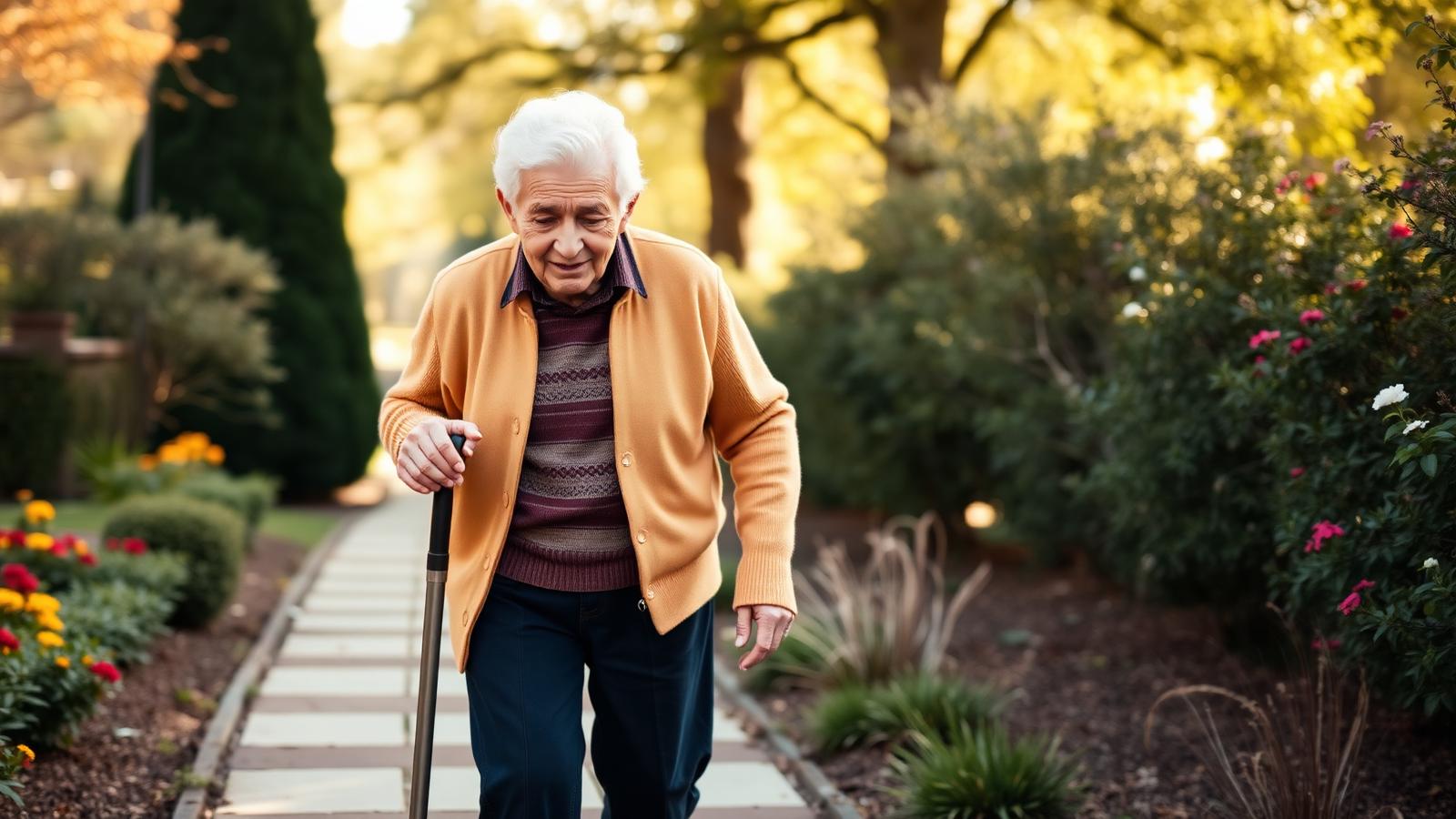
Parkinson’s movement symptoms fluctuate: “on” periods where medication is working well and movement is relatively fluid, “off” periods where it isn’t, and freezing episodes that can appear suddenly, mid-step. Supporting safe mobility through those fluctuations requires specific technique and judgment: knowing how to cue someone through a freezing episode, understanding fall risk factors particular to Parkinson’s, and adjusting the level of physical support moment to moment rather than applying the same approach regardless of how someone is presenting that hour. “Help them walk” is not a skill. Recognizing which kind of walking difficulty is happening, and responding to it correctly, is.
Why Family Education Changes Outcomes
Professional caregiving typically covers a portion of someone's day, which means family members are often the ones present during a medication window, a freezing episode, or a difficult evening. Families who understand the basic mechanics of what's happening (why timing matters, what a freezing episode looks like and how to respond, why a slower morning doesn't necessarily mean a bad day) make faster, calmer, more accurate decisions in those moments than families who are simply told to “call if something seems wrong.” Education that stops at the professional caregiver leaves the biggest gap exactly where the most hours actually happen.
Dignity Is the Throughline
Good Parkinson’s care at home preserves independence rather than defaulting to over-assistance out of caution. That means supporting someone through a task rather than doing it for them whenever it’s safely possible, using person-centered language that describes someone as living with Parkinson’s rather than defined by it, and involving families closely enough that they understand what’s actually happening symptom to symptom, not just what the care schedule says happened.
The details that matter most in Parkinson’s care at home, timing, movement, dignity, are rarely the details covered in a generic caregiving credential. That gap is the difference between care that manages a diagnosis and care that supports an actual life.

Quick Answers
- How many people in the U.S. have Parkinson's disease?
- An estimated 1.1 million Americans are living with Parkinson's disease as of 2026, with about 90,000 new diagnoses each year, and the total is projected to reach 1.2 million by 2030, according to the Parkinson's Foundation.
- Why does medication timing matter so much in Parkinson's care?
- Parkinson's medications work within a fairly tight therapeutic window. Being even 30 to 60 minutes late with a dose can visibly affect mobility and function for hours, making timing a clinical rather than administrative detail.
- What is a Parkinson's 'freezing episode'?
- A sudden, temporary inability to move, often occurring mid-step, that requires specific cueing techniques to help someone move through safely rather than generic physical assistance.